Reclaim the Rain: Why Every UK Household Should Start Collecting Rainwater Today
When it rains in Britain, most of us simply wait for it to stop.
But with the UK Government's recent "Reclaim the Rain" report highlighting the increasing pressure on our water supplies, perhaps it's time to think differently.
Climate change is making the UK's weather less predictable. Instead of steady rainfall throughout the year, we're seeing longer periods of dry weather punctuated by intense downpours. That means more water runs straight into drains before it has a chance to replenish reservoirs or soak into the ground.
For households, the message is simple: don't let valuable rainwater go to waste.
Why Water Resilience Matters
Many people associate droughts with countries that receive very little rainfall. Yet England is already one of the most water-stressed countries in Europe, with growing demand, an increasing population and more frequent periods of exceptionally dry weather.
Water companies are investing in new reservoirs and infrastructure, but householders also have an important role to play. Collectively, small changes made by millions of homes can make a significant difference.
Being water resilient isn't just about saving money on your water bill.
It's about being prepared if:
- Hosepipe bans are introduced.
- Water restrictions become necessary.
- Heatwaves place pressure on supplies.
- Local infrastructure failures interrupt water services.
- Extreme weather affects your community.
Just as many families keep a torch for power cuts, it's worth thinking about how you would cope if clean water became temporarily difficult to access.
Four Simple Ways to Reclaim the Rain
1. Install a Water Butt
The quickest way to start harvesting rainwater is by connecting a water butt to your home's guttering. They're simple to install - you cut your gutter downpipe, add the connector and wait for the rain. All you'll need is a small saw to cut through the plastic pipe.
Even a modest roof can collect hundreds of litres after a period of rainfall, providing plenty of water for:
- Watering plants
- Washing the car
- Cleaning garden furniture
- Filling ponds
It's one of the simplest home improvements you can make for long-term water resilience. And you can choose one to be a feature for your outdoor space - perfect for small gardens.
We like:
https://www.waterbuttsonline.co.uk/
https://www.waterbuttsdirect.co.uk/decorative-water-butts
https://www.diy.com/outdoor-garden/watering/rainwater-harvesting/water-butts.cat

2. Install a bigger one! Or double up
Many households discover that one water butt fills surprisingly quickly.
If you have space, consider linking several together or installing a larger rainwater tank. The biggest ones can hold over 1,500 litres of water. The more water you capture during wet weather, the longer you'll benefit during dry spells.

3. Help Your Garden Hold Water
Collecting rainwater is only half the solution.
Keep it in the soil for longer by:
- Adding compost to improve moisture retention
- Applying mulch around plants
- Watering early in the morning or late evening
- Choosing drought-tolerant plants
- Reducing unnecessary paving
Healthy soil acts like a natural reservoir.
4. Have a Drinking Water Plan
This is one area where many households become confused.
Rainwater is excellent for gardens and cleaning, but it should never be assumed safe to drink without appropriate treatment. Rainwater will collect bacteria, parasites, bird droppings, organic matter, and other contaminants from roofs and storage tanks.
If you're creating a water preparedness plan, consider three separate questions:
- How much drinking water can you store?
- How long would it last?
- How would you make your harvested rainwater safe if mains supplies were interrupted?
Having answers to these questions can make a stressful situation far easier to manage.
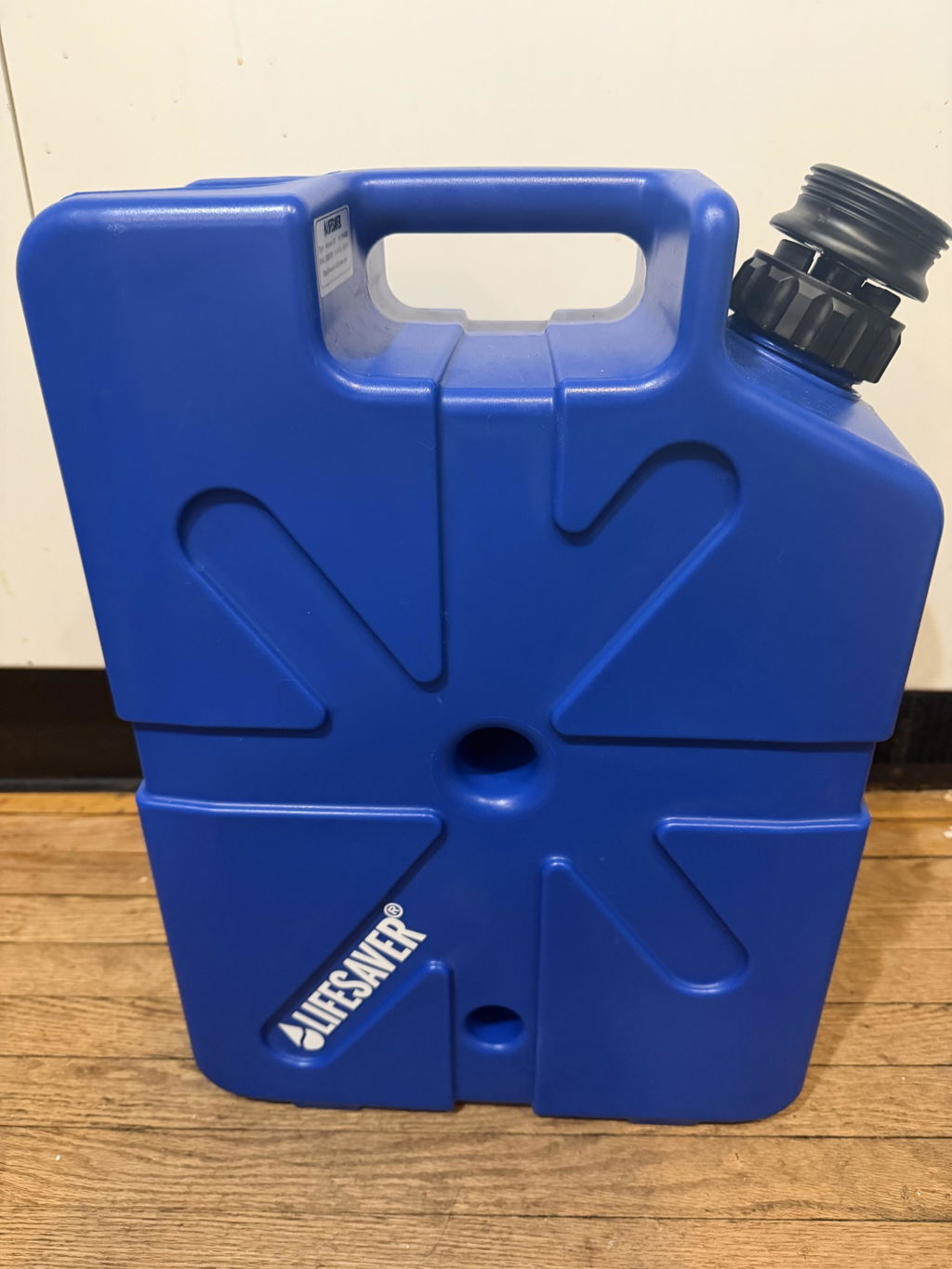
Clue: A LifeSaver Water Purifier is the answer to the third question!

Preparing for the Unexpected
Most interruptions to water supplies are short-lived, but storms, flooding, burst mains and prolonged droughts can all affect access to clean water.
Government guidance increasingly encourages households to become more resilient rather than relying solely on public infrastructure.
Simple preparations today can reduce inconvenience tomorrow.
Rainwater and Emergency Preparedness
Preparedness isn't about expecting disaster. It's about making sensible plans for situations that are becoming more common.
Many people now keep:
- Battery torches
- First aid kits
- Portable power banks
- Emergency food supplies
Water deserves the same level of thought.
Collecting rainwater is one step towards becoming more resilient. Having a safe way to produce clean drinking water, should you ever need it, is another.
Together, they provide peace of mind whether you're facing a hosepipe ban, a prolonged heatwave, flooding, or an unexpected interruption to your water supply.
Small Changes Make a Big Difference
The Government's Reclaim the Rain report is a reminder that every drop matters. Moving forward, property developers will be encouraged to find ways of making new homes equipped to deal with water shortages, but for now it's down to homeowners to do what they can.
By harvesting rainwater, using it wisely and thinking ahead about your household's drinking water needs, you can reduce pressure on the UK's water resources while making your own home better prepared for whatever the weather brings.
After all, the next rainfall isn't just weather.
It's an opportunity to build your family's water resilience.
If you'd like to discuss the best LifeSaver for your water plan, please get in touch.