Why don't Brits like British Tap Water?
Before 1970, if you wanted a drink of water, you turned on the tap. UK tap water was - and still is – some of the best quality tap water on the planet, but despite that, there’s a multi-billion-pound (and still growing) industry that is founded on nothing more than effective marketing.
Nothing new
Bottled mineral water was originally sold in the 18th century in spa towns such as Evian-les Bains and Perrier Spring. In the UK wealthy people ‘took the waters’ at Bath, Buxton, Malvern and Harrogate, believing it to improve health. By the ‘70s ‘natural mineral water’ was being shipped across Europe in glass bottles and marketed as a lifestyle product. Perrier in particular was a trendy alternative to Coke and lemonade. Bottled water was expensive so became a symbol of affluence and good taste, sold not just in bars and restaurants but in supermarkets for people to have at home. In the ‘80s it was linked to purity, fitness and status. Branding featured mountains, glaciers and green meadows.
As a cost-effective alternative, the water filter jug was born, allowing people to get that fresh mineral water taste without the expense of buying bottles. Using activated carbon, jug filters reduce the chlorine taste that some people find so objectionable.

The Bottled Water Boom
Fast forward to the ‘90s and the introduction of PET plastic bottles – a lightweight, cheap alternative to glass - and Evian, Volvic, Pellegrino, Highland Spring, Buxton and others became household names. It was universally promoted as a safer, healthier option; tap water started to be viewed with suspicion, and doubts were cast over its taste. Water additives became a cause for concern. Bottled water brands stepped up their game to meet the ongoing high-end demand with designer brands like Voss, Tau, Eira and re:water; still sold in glass bottles but now costing more than the soft drink alternatives. Colourless flavoured water started appearing for those who found plain water too dull but didn’t like the chemicals found in squash. A two-litre-a-day universal minimum intake was invented to encourage people to buy more.
Environmental Concerns
Jump forward another ten years, and the growing amount of plastic waste starts hitting the headlines. Millions upon millions of bottles end up in landfills and the oceans, and ‘single-use plastic’ becomes a dirty word. (And yes, they can be recycled, but that's yet another industrial process.)
Enter the reusable bottle industry. Previously used only during outdoor sporting activities, water containers suddenly appeared on desks, in handbags, and in cars. What was used to fill them? Tap water. People are now turning towards home water filters.
Home Water Filters
The latest water trend is the use of filters fitted under the kitchen sink or that bolt directly onto your kitchen tap. These can be water softeners that remove the minerals that cause limescale build up (which work using salt, so you need a separate tap for drinking water), carbon-based filters – like the jug filters – to improve taste, and reverse osmosis purifiers that remove so much from tap water that some minerals need to be re-added.

Sales of bottled water have now slowed down to be replaced with longer-term solutions. However, in 2025, UK consumers still spent more than a conservatively estimated £2 billion to replace or treat perfectly safe tap water.
|
Approximate UK |
1970 |
1980 |
1990 |
1995 |
2000 |
2005 |
2010 |
2015 |
2020 |
2025 |
|
Jug water filters |
0 |
1 |
5 |
10 |
20 |
30 |
40 |
50 |
45 |
45 |
|
Bottled Water |
50 |
100 |
300 |
700 |
1000 |
1200 |
1500 |
2000 |
1500 |
1600 |
|
Reusable Bottles |
5 |
10 |
20 |
35 |
50 |
80 |
150 |
200 |
400 |
250 |
|
Undersink Filters |
0 |
1 |
5 |
10 |
20 |
40 |
70 |
100 |
120 |
150 |
Water Myths
-
Bottled water is healthier
Wrong. There is less legislation and less monitoring of bottled water sources than of public supplies. According to a 2019 report by Environmental Science & Technology, bottled water drinkers consume 90,000 more microplastics per year than people who drink tap water because (shocker) plastic bottles shed microplastics. It’s also more harmful to the environment; the plastic bottles, glass production, labelling, packaging and shipping all add up.
-
Tap water has unnecessary additives
Wrong. Tap water is carefully filtered to remove harmful contaminants and then treated to ensure it remains safe, stable and non-corrosive. Chlorine is used to kill viruses, bacteria and parasites, and a residual amount remains in the water, so it stays disinfected while travelling through pipes. Orthophosphates prevent lead and copper in pipes from leaching into the water. pH-adjusting chemicals may need to be added to keep the water at a neutral pH of 7, and, in a few UK regions, fluoride is added for dental health (but this is naturally present in much of the UK). Most other substances - including ones you might be able to taste - in tap water (magnesium, calcium, minerals, etc.) come naturally from the source water and depend on the geology of the area.
-
Everyone should drink two litres of water per day
While it is important to stay well-hydrated, the volume of water needed to achieve that varies enormously from person to person. It depends on age, body weight, level of activity, temperature and general health. Any urologist will tell you that if your urine is a pale straw colour, you are fully hydrated. And any fluids will keep you hydrated – it doesn’t have to be plain water. That said, some fluids are better for health and wellbeing than others…
So where does LifeSaver fit in?
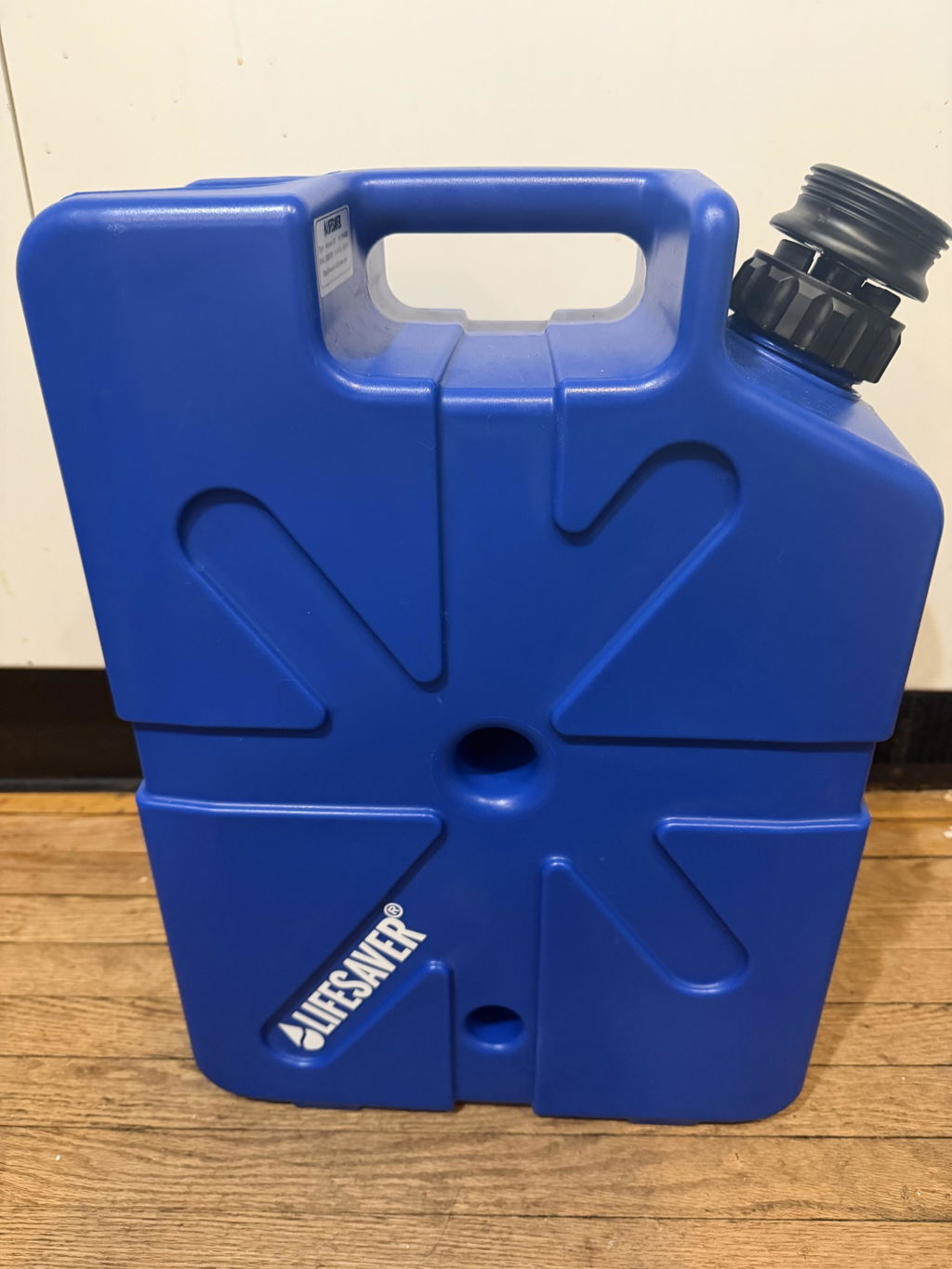
LifeSaver Water Purifiers are designed for when safe tap water isn’t available. They aren’t there for cosmetic or aesthetic reasons (although the activated carbon filters will reduce the chlorine taste if you use them on tap water). They are designed to keep people who rely on wild water sources safe from waterborne viruses, bacteria, and parasites, and to reduce their exposure to heavy metals and chemical contaminants such as chloramines, lead, nickel and cadmium. Whether that’s a family choosing to live in an off-grid home in the Highlands (C1), a couple going wild camping or overlanding in Africa (Jerrycan), students backpacking through Asia (Liberty), or simply someone staying in a hotel in a country where the tap water isn’t safe. We’re also here for emergencies – the big ones caused by natural disasters, the small ones caused by some numpty drilling through the local water main and the ones that haven’t happened yet but might.
LifeSaver water purifiers provide a safe, reliable alternative to buying, storing or carrying bottled water, removing microplastics rather than adding them. But for daily use at home in the UK? Why not save the money you’re spending on unnecessary filters or bottled water and use it to do something more interesting?